
First Take: Maple Syrup
A natural, single-ingredient food, maple syrup is gaining popularity among health-conscious consumers seeking clean-label and sustainably sourced ingredients.
When asked what the most important maple syrup trend that leaders should pay attention to this year, Arnold Coombs, Executive Director of Sales and Marketing of Coombs Family Farms, answered, “The consumer is moving to organic maple syrup. We continue to see organic maple syrup dominating the category as the consumer looks to better-for-you alternatives and overall cultural shift towards healthy choices being made, especially by Millennials and Gen Z.”
Steven Anderson, President of Anderson’s Maple Syrup, also agreed that pure maple syrup aligns with consumers’ healthier choices.
He said, “The group of people who are looking for healthy sugar replacement options and more all-natural foods in their diet is growing quickly. Pure maple syrup is perfect for this reason and the other health benefits that come with it when compared to other syrups on the market.”
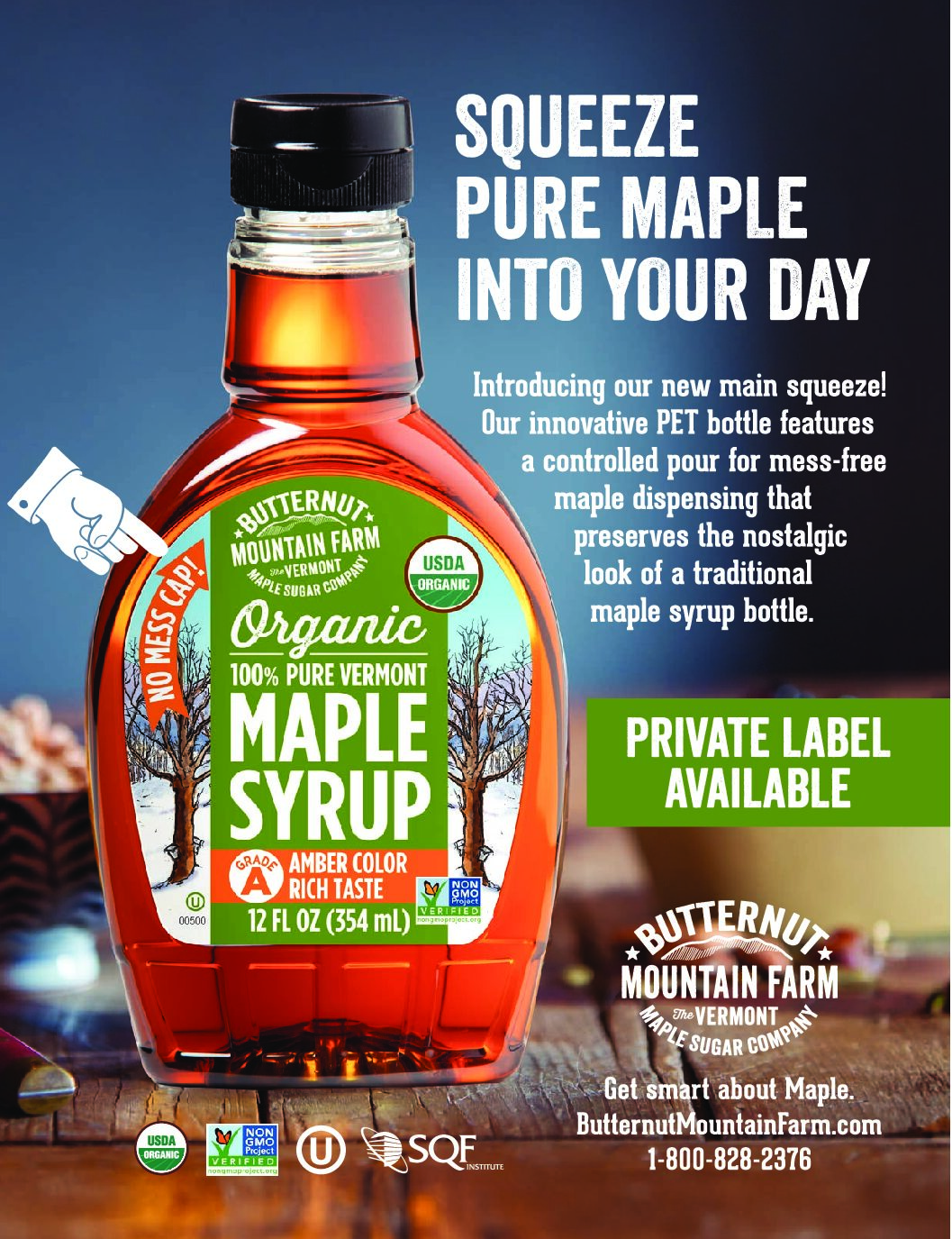
“Pure maple isn’t a ‘swap’ purchase—when people decide to spend on it, they want the real thing, and they want it to be worth it,” replied Emma Marvin, Marketing Coordinator of Butternut Mountain Farm. “Brands and retailers who keep it simple help ensure that the product is an everyday comfort, as well as a special occasion go-to.”
The top strategic focuses for maple syrup in 2026 are stacked—beyond the pancake stack, that is—as leaders in the category move to remind consumers of maple’s various uses.
Coombs of Coombs Family Farms stated, “We want to expand consumers’ usage occasions and continue to grow our ACV levels nationwide.”
Anderson of Anderson’s Maple Syrup shared, “Quality has always been on top of our list. This year, we plan to add a lot about the nutritional value beyond the panel on the back. Pure maple syrup is great for so much more than just pancakes. It is a healthy substitute for sugars in cooking and adds a wonderful flavor to anything and everything it is added to.”
With a category that is naturally sweet, it’s not surprising that leaders are optimistic about what’s to come.
“I’m optimistic because maple is quietly becoming more of a pantry ingredient, not just a Sunday-morning topping,” Marvin of Butternut Mountain Farm revealed. “When people start using it in coffee, baking, and cooking—both sweet and savory, you become a given in the day-to-day routines, increasing frequency of purchase and driving year-round demand.”
Anderson of Anderson’s Maple Syrup extrapolated, “I am most optimistic about the number of people who are learning and trying pure maple syrup for the first time. The more that try it, the more that fall in love with it and that is good for our industry.”
Coombs of Coombs Family Farms had a similar optimistic sentiment, “The continual growth of the pure maple syrup category as consumers continue to switch from artificial pancake syrup and other high fructose choices.”
How can maple syrup leaders stay relevant to consumers?
Coombs of Coombs Family Farms responded, “We stay relevant by continually expanding the uses of maple. Consumers want products that are better for you. Maple fits that.”
Marvin of Butternut Mountain Farm said, “The opportunity is to make maple easier to start using and easier to use more often. A lot of shoppers still want reassurance at the shelf—am I buying the right thing? Is it real? Is it the right grade? We can grow the category by reducing this choice anxiety and by getting maple out of the ‘breakfast only’ box-cross-merch with baking, oatmeal, coffee & tea, yogurt and savory applications like grilling.”
Anderson of Anderson’s Maple Syrup explained, “I believe retailers should carry a good variety of sizes. Something small for those who want to try it, a medium size for the occasional user, and then larger sizes for the daily user. Education is and will always be key. Not everyone knows about or grew up with pure maple syrup, so coming up with clever ways to support pure maple syrup sales with recipe ideas and just information about what it is. Many still can’t believe it is just a single-source product from a tree.”
Maple syrup has been around for centuries, and yet innovation continues. Marvin of Butternut Mountain Farm believes, “The most meaningful innovation looks almost boring—in a good way. It’s about continuing to make the product accessible through clear product and brand storytelling, packaging and pricing hierarchies.”
Anderson of Anderson’s Maple Syrup revealed, “I believe that the cooking grade syrup that our industry calls Grade A very dark with strong taste is going to eventually make it mainstream. It is not as good on waffles as the Grade A dark with robust taste, but it is great as a cooking and baking ingredient. Its stronger flavor and currently a little lower ring at the check-out make it great for chefs everywhere. It will take a few years, but this is what is needed in the category.”
Arnold Coombs of Coombs Family Farms said, “Retailers are working with us to cross-promote maple to increase usage. Pure maple can’t be altered and still be pure maple (by law) so innovation comes from additional uses in cooking, baking and sauces. I’m impressed by how creative consumers can be.”
As consumers seek simple, natural ingredients, pure maple syrup is poised to move from a pancake indulgence to a year-round pantry staple.