
Leadership in Deli Merchandising
The deli category is experiencing strong growth, as consumers look for convenient, affordable meal solutions without sacrificing quality. At the same time, premiumization is creating opportunities for shoppers to trade up to higher-quality meats, cheeses and prepared foods while still spending less than they might on dining out.
US consumers spend an average of $1,240 per household per year on deli products, according to research from DataIntelo. This includes sliced deli meats like turkey and ham, specialty cheeses, prepared foods and salads. The research also found that North America is the largest regional market for deli foods globally, accounting for $106.9 billion or approximately 34.2 percent of total global revenue in 2025.
Category leaders are seeing that momentum firsthand, with strong consumer demand continuing to create opportunities across the deli category.
“Q4 is a defining season for retail deli because it brings more high-demand meal occasions, more store traffic, and a stronger need for convenient, high-quality food solutions. Deli is uniquely positioned to meet those needs by offering restaurant-quality food with grocery-store convenience. The opportunity is significant, but success will depend on disciplined execution. For Tyson Foods, that means helping retailers address the operational realities they face every day, including shrink, in-store labor efficiency, consistent quality, and programs that are easy to execute across stores. The winners will be those that turn seasonal traffic into repeat deli occasions, not just one-time transactions,” reported Gina Peck, Tyson Foods, Director, Deli Poultry, Customer Strategy & Innovation.
Colin Babin, Brand Manager for Applegate, commented, “As we prepare for the final quarter of the year, we are especially excited about the continued consumer focus on at-home entertaining and shared food experiences. Charcuterie boards, grazing occasions, and snack-style gatherings remain popular ways for consumers to gather in groups to celebrate with family and friends, creating strong opportunities for Applegate to showcase our Applegate Naturals and Applegate Organics dry-cured portfolio. Perfect for any charcuterie board, our lineup of deliciously crafted Italian meats carrying our required high standards is a staple for many get-togethers during this season.”
Babin continued, “A key challenge remains balancing innovation with affordability and availability. Consumers are seeking premium, clean-label products, but also expect value and convenience. Continuing to meet those expectations while navigating evolving consumer preferences will be critical for the category’s long-term growth.”
“As we prepare for the Q4 season, we are excited to see how our customers respond to new items we launched this fall. We have new soup flavors, salads (including Grandma’s items), dips, and proteins all hitting the market for the first time. It is always exciting to see how customers react to new items and see which item is the top performer out of the group. As far as challenges or hurdles, putting the finishing touches on the new items launching this spring and starting the process for next fall is top of mind,” shared Don Hubert, VP of Sales of Sandridge Crafted Foods.
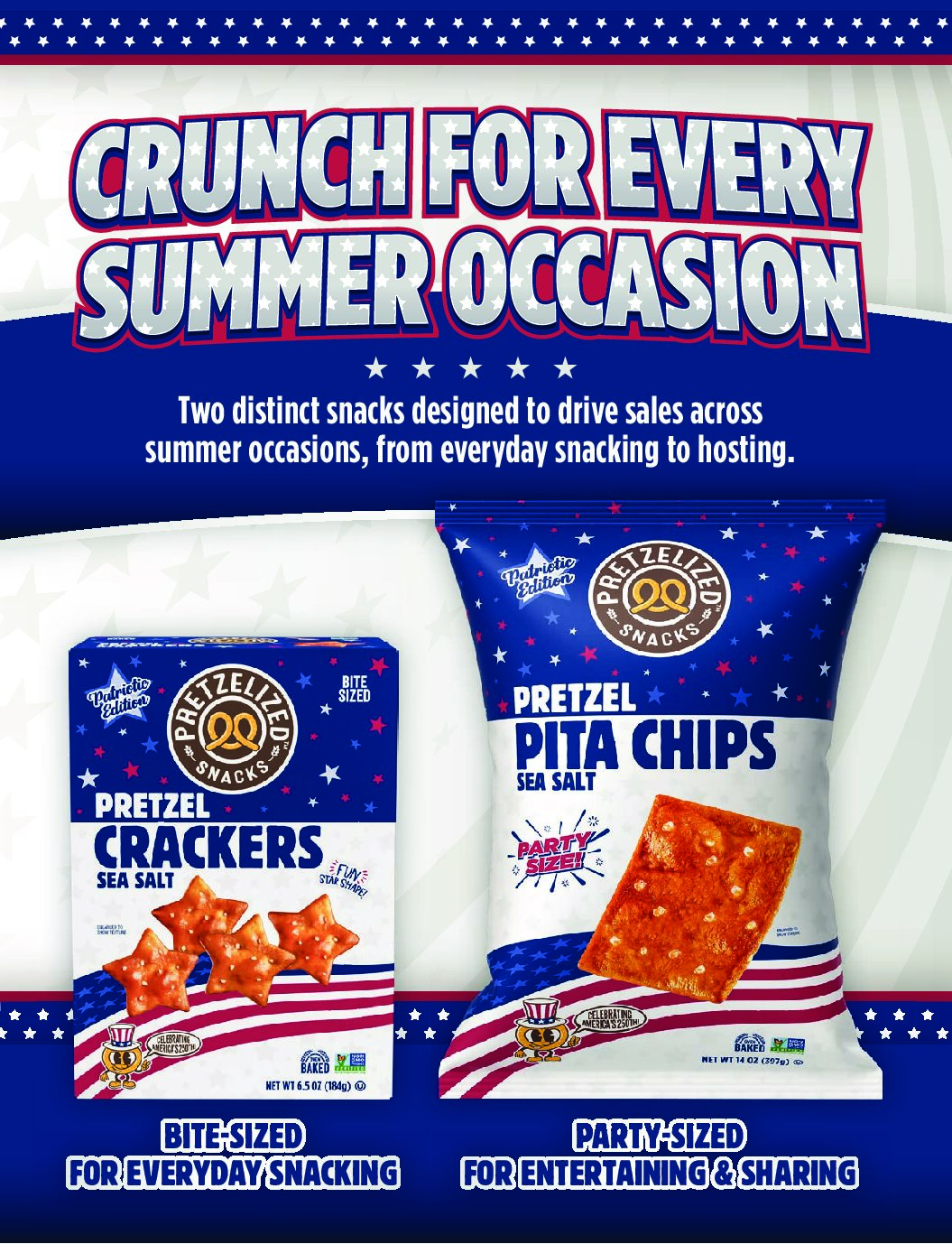
“While many companies are focused on closing out the year, PRETZELIZED is focused on bringing fun and excitement to the grocery and deli channels through seasonal innovation,” reported 7 Mile Brands CEO Sam Kestenbaum. “Building on the success of our July 4th Patriotic Stars, we will more than triple the volume of our Cinnamon Roll Pita Chips for the holidays and launch our new Pretzel Football Snackers for the college bowl season, NFL playoffs and Super Bowl.”
He continued, “The challenge is that conducting business in this channel is more expensive than ever. We must continue finding creative ways beyond traditional promotions to support our retail partners, drive consumer trial and build the category efficiently.”
“We’re excited about our recent product launches and the feedback we’ll receive from our customers. Volpi recently launched our new Reduced Sodium Dry Salame that features 50 percent less sodium than traditional dry salame, as well as our new 5-pack bag of Roltini singles with Pepper Jack & Genoa, a filling on-the-go snack, so we can’t wait to hear what our customers think once they try these new products,” commented Claire Donohue, Marketing Manager of Volpi Foods.
She continued, “A challenge most companies need to overcome is continuing to innovate without losing their core consumer. At Volpi, we’re launching new products that maintain the integrity of our four-generation, slow-curing process, but we’re simultaneously evolving to develop new products that meet consumer needs, which are currently better-for-you, convenient options.”
“We’re excited about several new products we just introduced in the deli: Reser’s chowders and pasta entrees just hit store shelves at the end of September, as shoppers are looking for hearty, comforting classics in the fall months. We also introduced high-protein versions of our chicken, tuna and egg salads,” revealed Megan Torres, Senior Brand Strategy Manager, Deli Salads & Sides for Reser’s Fine Foods.
Many leading companies report that today’s deli shoppers are balancing value and convenience with a desire for premium quality and restaurant-inspired options.
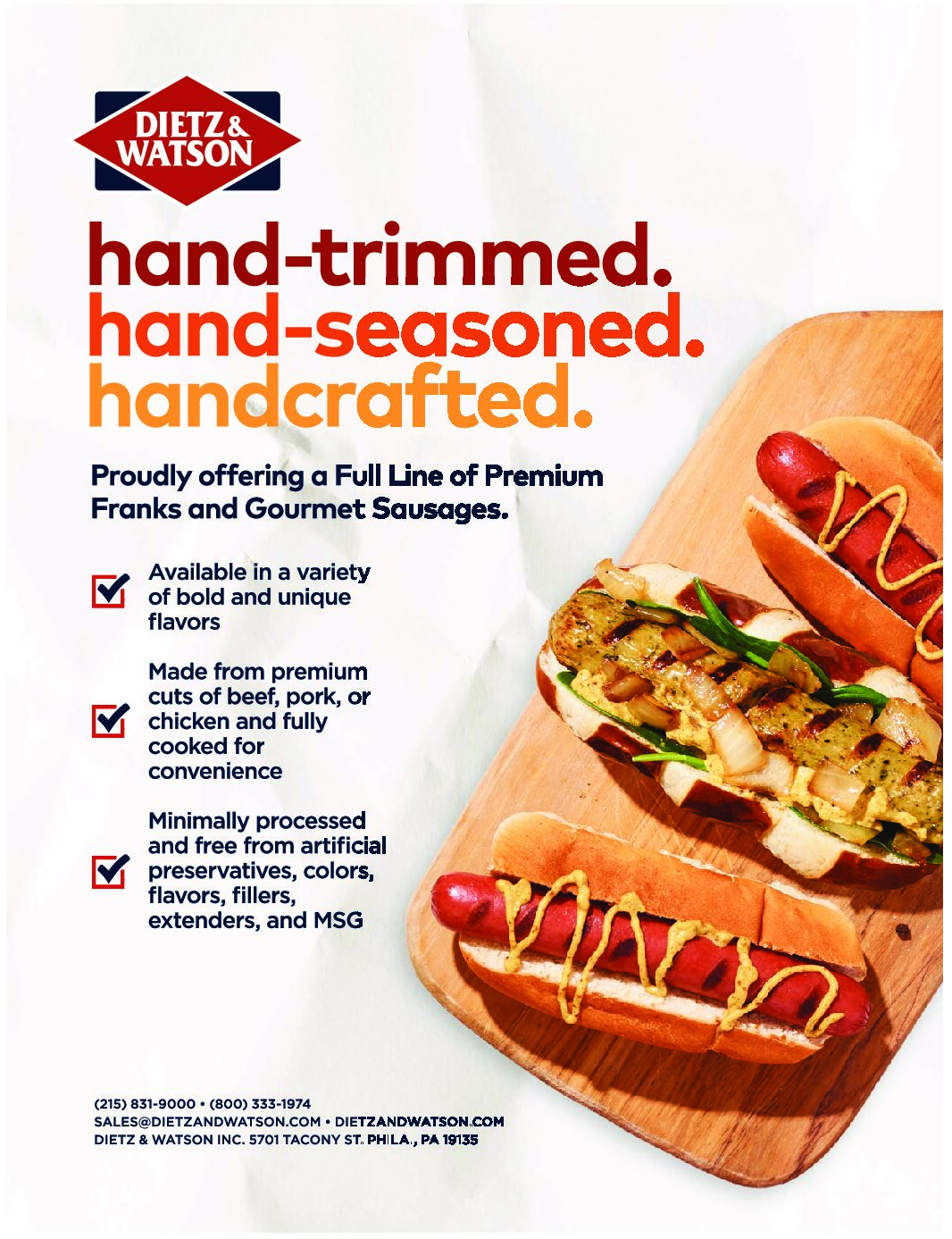
“Two of our top-performing products this year have been London Broil Roast Beef and Oven Classic Turkey Breast,” previously reported Taylor Grissinger, Marketing Director at Dietz & Watson. “We believe their success reflects a broader consumer shift toward classic, familiar flavors. As shoppers navigate economic uncertainty, many are gravitating toward trusted, nostalgic products that deliver both comfort and quality. These core deli staples continue to resonate with consumers looking for versatile, premium options they can rely on for everyday meals.”
“Fuel costs have reshaped American meals and shopping habits. In an effort to offset fuel costs, consumers seek more meals at home. They still seek unique, fresh, prepared meals and sides of restaurant quality. That is where Don’s shines! Don’s offers many clean items. Healthy grains and sides are one of three areas of leadership,” responded Carl Cappelli, SVP of Sales & Business Development of Don’s Foods.
“Consumers are not only looking to increase their protein intake—they’re looking for real food solutions to help them do so. Our new high-protein chicken, tuna, and egg salads are made with blended cottage cheese, delivering more grams of protein per serving with less fat and calories,” said Torres for Reser’s Fine Foods.
“The most durable trends reflect a more intentional consumer: stronger demand for protein, right-sized portions, ingredient transparency, and greater culinary variety. Deli is well positioned because it combines freshness, convenience, and meal readiness in one destination. Value will also remain central, but consumers are evaluating the entire experience, not price alone. Retailers that deliver relevant choices and restaurant-inspired quality can retain meal occasions that might otherwise shift to quick-service restaurants,” explained Peck of Tyson Foods.
“We believe the deli is transforming—and two years from now, it will look very different than it does today,” relayed Kestenbaum of 7 Mile Brands. “At the same time, consumers have become increasingly value-conscious, so brands and retailers must create greater efficiency in both everyday pricing and promotional programs.”
One misconception, Kestenbaum pointed out, “Is that price sensitivity means consumers are unwilling to pay more. There is an important difference between absolute price and value. Consumers will still pay a premium when they clearly understand the value proposition, whether it comes through better ingredients, superior quality, meaningful innovation or a more enjoyable experience.”
“Flavor continues to be one of the biggest drivers of innovation within the deli category. Consumers are looking for products that combine familiar favorites with unexpected flavor experiences, and brands have an opportunity to respond with both elevated classics and new flavor profiles—that above all, taste good,” reported Babin of Applegate.
He noted, “A common misconception is that ‘deli meat is a category that skews towards older generations.’ Younger generations are purchasing in this category with greater frequency than older generations, which suggests that the deli category is still relevant and will continue to be a staple for years to come.”
“One of the biggest trends we see and expect to have staying power is the focus on the meal category. Just about every retailer has this on their radar as an opportunity to improve and set themselves apart. Providing high-quality, easy-to-execute offerings in this space is a must in today’s market. The limitations around labor are not improving, so retailers are forced to do more with less. They need solutions that can be executed without a lot of hands or high-priced skilled culinary labor,” explained Hubert of Sandridge Crafted Foods.
He added, “The biggest misconception about the category today is that every consumer is chasing price, so removing costs from the food is the answer. There are some foods that the industry has taken cost out of, causing declining sales, which is related to the food quality, not the price of the food. Reducing the quality of the food to save a few pennies is not going to solve anyone’s issues with lack of sales.”
As consumers’ tastes and eating habits evolve, deli brands are responding with new approaches to innovation, merchandising and promotion.
“While Dietz & Watson maintains its premium positioning, we strategically use promotions to expand trial and attract value-conscious shoppers. Approximately 40 percent of our volume is sold on promotion, helping us drive household penetration while strengthening brand loyalty,” noted Grissinger.
“Data-driven decision-making is central to our approach. Dietz & Watson has a dedicated analytics team that leverages retail performance data, shopper insights and category trends to inform everything from pricing and promotion to assortment and merchandising decisions,” Grissinger added. “By closely monitoring shopper behaviors and market dynamics, we can work closely with our retail partners to identify growth opportunities, optimize promotional effectiveness and ultimately drive stronger sales performance across the category.”
“At Don’s, we recognize ‘The Old is . . . Forever New!’ New in the sense of flavors consumers seek. We are now a global and diverse society. We bring innovation into the place, packages, and recipe usage ideas that retailers seek. In-store meal solutions build retail brand equity,” concluded Cappelli.