
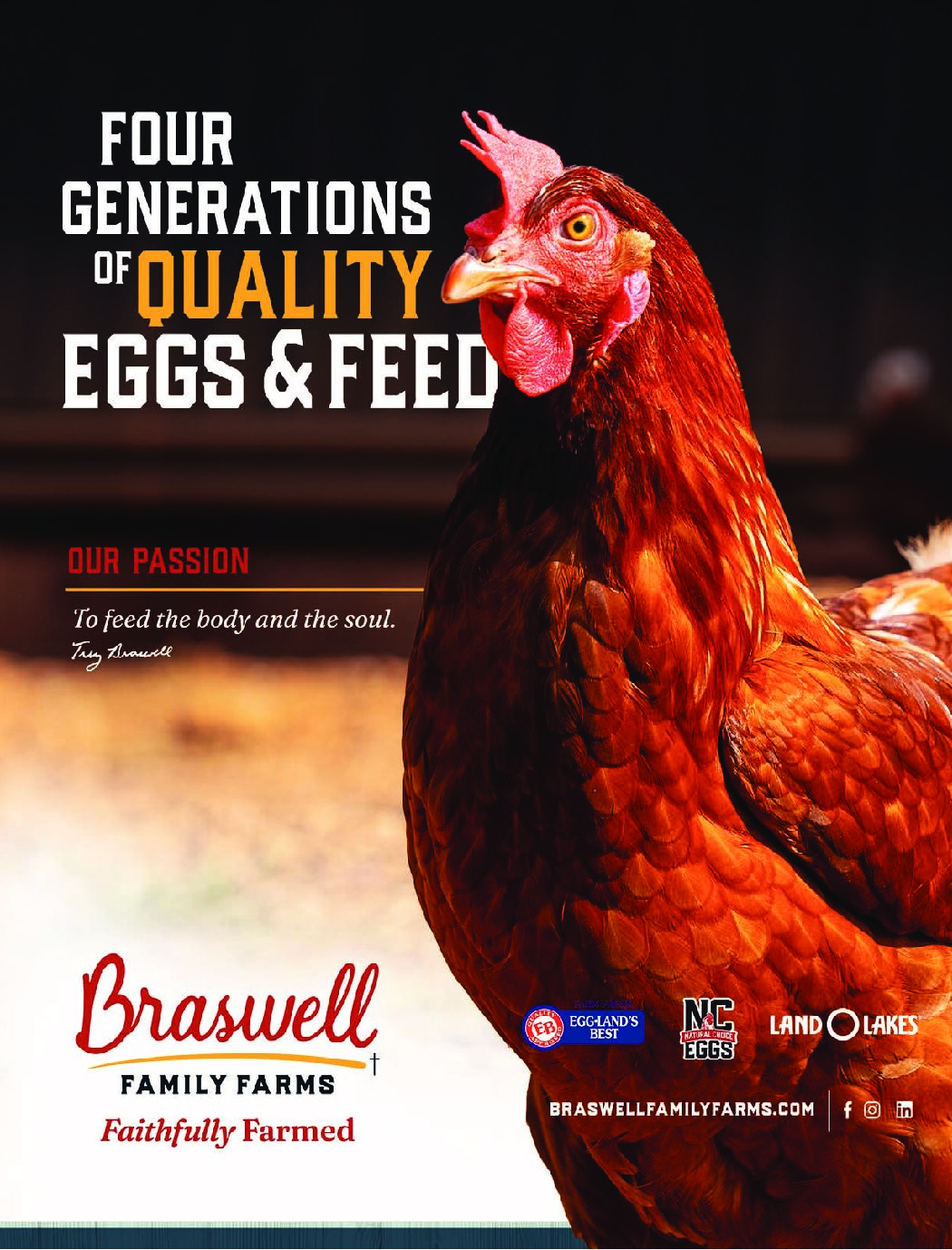
Category Analysis: Eggs
The end of the year marks a spike in demand for eggs. Whether driven by back-to-school routines or a seasonal uptick in holiday baking, suppliers are well positioned to meet consumers’ needs.
“Q4 is a ramp-up season in the egg space. Families are back in school and work rhythms after the summer has closed, and eggs are on the menu more for breakfast. Additionally, fall and holiday baking make eggs an extra-important item for buyers in Q4,” said Ryan Cobb, Sales Manager for Utopihen. “Demand for eggs has never been higher, and at the same time, we still have an oversupply at the moment. So, remaining competitive in the space is a challenge since we work hard to keep pricing stable for our farms and farming families.”
Pete & Gerry’s Family of Brands believes one of the category’s biggest opportunities is educating consumers about the differences between organic, free-range and pasture-raised eggs and ensuring those products are available where they shop.
“While macroeconomic pressures and supply fluctuations have created challenges across the industry over the past 18 months, they’ve also driven greater consumer curiosity about how their food is produced, particularly in the egg aisle,” Tom Flocco, CEO of Pete & Gerry’s Family of Brands , said during the sum mer. “There’s a significant opportunity for retailers to ‘egg-ucate’ shoppers while offering a well-balanced assortment that meets a spectrum of consumer needs, ensuring premium segments like organic, free-range, and pasture-raised eggs are well represented and clearly differentiated. As consumers become more selective about the foods they purchase, they’re looking beyond nutrition labels to understand how their food is produced and what those production practices truly mean. Not surprisingly, eggs rank as the healthiest and most trusted protein source (among fish, meat, beans, legumes, protein drinks and protein bars), and our research found that 73% of Gen Z & Millennials prioritize understanding the sourcing behind their protein, highlighting the growing importance of transparency and authenticity at the shelf.”
Vital Farms sees another major growth opportunity in the egg category: keeping hens out of cages and allowing them to roam. This approach aligns with the values of a growing number of consumers.
“We continue to see opportunity in outdoor-access eggs as consumers look for products that align with their expectations around quality, animal welfare and transparency,” Peter Pappas, Chief Sales Officer for Vital Farms, previously explained.
“The key to unlocking that growth is helping consumers better understand the differences across the egg set and making the category easier to shop,” he continued. “When consumers can quickly navigate the category and find the eggs that are right for them, retailers have an opportunity to grow both volume and value. For retailers looking to learn more about shelf or assortment optimization, our Category Management team is always available to share insights and support category growth.”
Consumers’ interest in farming practices and hen welfare has left a lasting impression and has subsequently defined the factors they consider when shopping.
“There are always consumers who will prioritize price, and this is the case with eggs, as with all purchases,” Cobb said. “Beyond price, more consumers are choosing eggs that come from pasture-raised farms with humane certifications.”
Changing consumer expectations around health, convenience and value are shaping suppliers’ category strategies. At Pete & Gerry’s, consumers have redefined what value means, Flocco said.
“While price will always matter, shoppers are increasingly evaluating food through a broader lens that includes nutrition, quality, transparency, and how the hen is raised,” he elaborated. “As consumers look to maximize nutrition from the foods they’re already buying, protein has become a much bigger part of purchasing decisions. Our research found that 65% of Americans eat eggs every week specifically for their protein content, reinforcing the important role eggs continue to play as one of the most affordable, versatile, and minimally processed sources of high-quality, easily digestible protein.”
He continued, “One shift that’s been particularly encouraging is how resilient consumers’ commitment to their values has remained, even amid economic uncertainty. Consumers have choices and are watching their budgets closely, but they continue to prioritize sourcing transparency and responsible animal welfare. These attributes are no longer viewed as premium “nice-to-haves”; they’ve become a critical part of how consumers define value.”
Vital Farms’ approach to ever-changing consumer expectations and shopping behaviors is to remain nimble and rely on information to drive decisions.
“Health, convenience and value mean something different to every shopper, and those priorities can vary by household, life stage and shopping occasion,” Pappas with Vital Farms said. “That’s shaping our category strategy to be more flexible, in-sight-led and continuously evolving.”
“We combine shopper insights, consumer research, retail data and close collaboration with our retail partners to understand emerging needs and translate them into decisions across assortment, pack architecture, merchandising and the shelf experience,” he continued. “Rather than designing around one fixed definition of value or wellness, we focus on providing relevant choices as shopper expectations evolve.”
“Vital Farms was built around a stakeholder model, and that shapes how we think about category leadership,” Pappas said. “We believe in helping grow the category in a way that benefits retailers, consumers, farmers and hens alike. That starts with listening.”
“One of the biggest shifts we’ve seen is consumers asking more questions about their food, where it comes from and how it’s produced,” he added. “They want transparency and information that helps them better under-stand the differences across the egg set. That’s an area where Vital Farms is well positioned through our ‘See The Farm’ traceability program. We’re also seeing strong demand for products that deliver greater value and flexibility. That’s one reason we recently launched our Organic Double Dozen, giving households that use more eggs a premium option in a larger pack size.”
“Vital Farms was built around a stakeholder model, and that shapes how we think about category leadership,” Pappas said. “We believe in helping grow the category in a way that benefits retailers, consumers, farmers and hens alike. That starts with listening.”