
First Take: Energy Drinks
Energy drinks provide consumers with a jolt to give them the intensity and focus to make it through a workout or an afternoon at the office. Bold colors and flavors have long been associated with the category. Recently, manufacturers have been refining the energy drinks category by filtering out unnecessary ingredients. These enhanced offerings are crafted with natural sweeteners and real ingredients to bring consumers hydration and clarity.
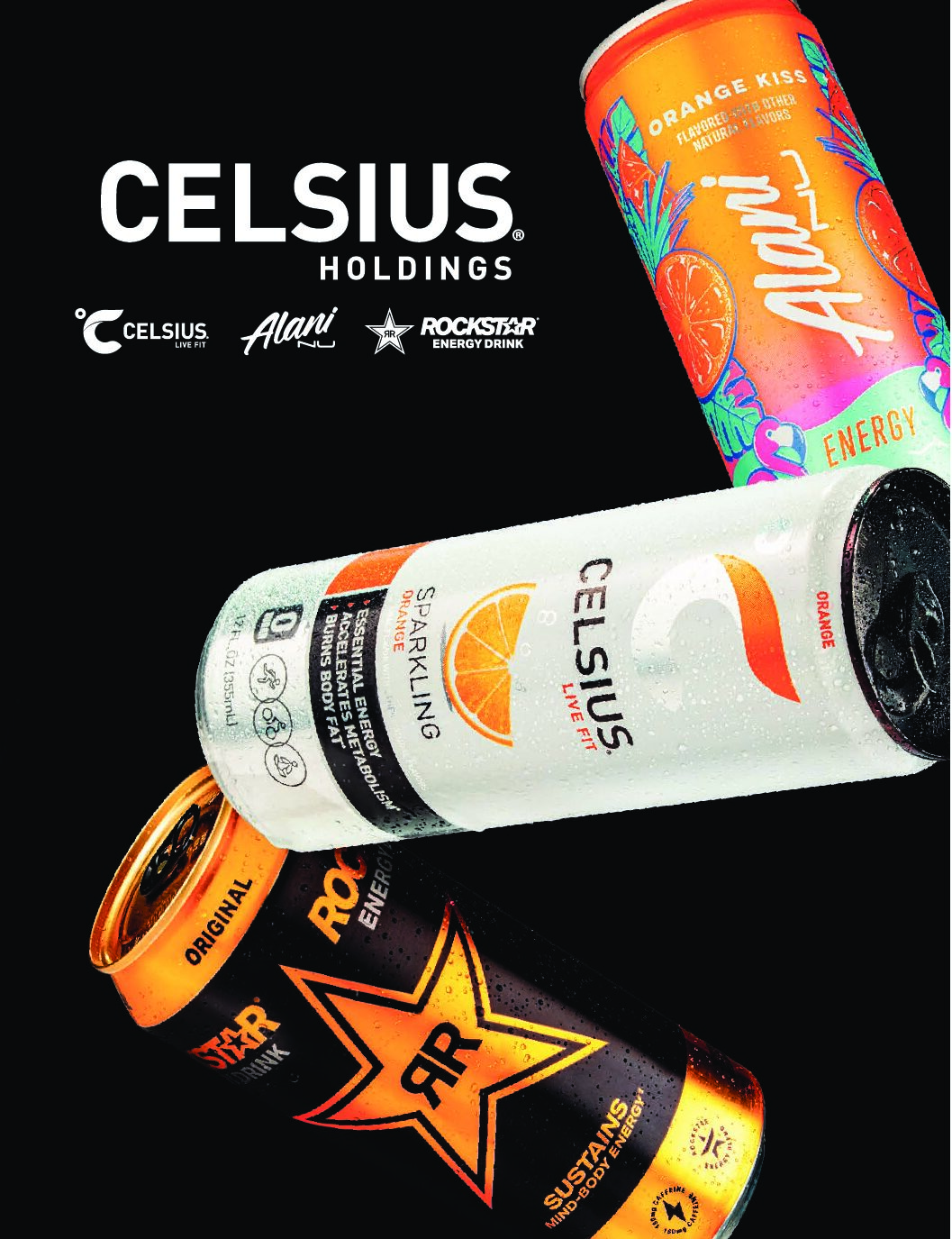
“The energy drink category is one of the fastest-growing segments in beverage, fueled by strong consumer demand for functional, better-for-you options that deliver both performance and lifestyle appeal,” Tyler Bohannon, EVP of North American Sales, said in late 2025. “We’re seeing double-digit growth continue across all channels, with expanded shelf space and innovation driving the category forward. At the same time, consumer expectations have evolved. Consumers are seeking zero-sugar products with functional benefits that fit seamlessly into their active lifestyles. That shift in health and wellness over the last few years has created tremendous opportunities for brands like Celsius that are positioned at the intersection of wellness and energy.”
GURU Beverage characterizes energy drinks as a space that is performing strongly and rising at a swift pace. “The category in North America is now over $25 billion,” Carl Goyette, President & CEO of GURU Beverage, said late last year. “It’s big, and it’s growing fast. There is a strong movement towards better-for-you options. About 50 percent of the industry in the US is zero sugar. Everything that is driving the growth of the industry is zero sugar. For a lot of consumers, zero sugar means healthy. But for us, zero sugar with aspartame and sucralose doesn’t mean healthy, so we’re trying to clarify that to consumers. As the industry transforms, we think the consumer is going to be making smarter choices and demand better-for-you options with natural ingredients, organic certification and certainly no aspartame and sucralose. Our mission at GURU is to clean up the energy drink industry. It’s long in the making, but it’s happening.”
While brand loyalty plays a decisive element in influencing consumers’ shopping choices, other variables, including better-for-you, clean ingredients, and price point, come into consideration. “The brand plays a big role for sure,” Goyette said. “Branding in energy drinks is powerful. But when you look beyond the brand, there’s a large portion of consumers who are starting to reconsider their energy drink consumption, and they’re looking for better-for-you options. Pricing plays a big role, especially with the economic conditions right now, consumers are trying to avoid inflation. We’re seeing an increase in promotions. Consumers want the functionality, they want great-tasting, they want natural, but they also want a good price.”
Bold flavor combinations and confidence in a brand’s ability to consistently deliver on taste and quality come into play when consumers are at the shelf. “Beyond price point, consumer choices in the energy drinks category are being driven by innovation, appealing flavors, and brand trust,” Bohannon said. “Limited-time offerings create buzz and excitement, sparking trial and incremental growth, while new formats like fizz-free options and hydration sticks bring fresh occasions to the category. Authenticity and brand strength are also critical. CELSIUS and Alani Nu resonate especially well with younger, diverse consumers, particularly Gen Z, Millennials, and women, who we see are driving much of the category’s double-digit growth. At the same time, health benefits and zero-sugar functionality remain top priorities, fueling CELSIUS’ performance as consumers seek better-for-you options that fit into active, wellness-driven lifestyles. In Q2 2025, Celsius’ portfolio grew household penetration to 43 percent with repeat rates above 65 percent, showing that brand loyalty and retention are powerful drivers of choice.”
Anheuser-Busch launched its energy drink Phorm Energy in late 2025 to boost energy, hydration and focus. Phorm Energy is the flagship product introduced following the partnership between Anheuser-Busch, premier sports nutrition and supplements company 1st Phorm and UFC President Dana White. It’s available in four varieties: Screamin’ Freedom, Blue Blitz, Orange Fury, and Grape Smash. Phorm Energy is curated with natural flavors, caffeine from green tea and is packed with electrolytes to battle dehydration. It also has a combination of ingredients intended to support mental focus.
Phorm Energy is proving to consumers that they can stay hydrated and focused with something tastier and robust than water without overloading on simple carbohydrates and food coloring. A mindful formulation, with green tea extract and devoid of sugar and artificial flavors, Phorm Energy keeps consumers alert and hydrated.
Coming down the pipeline is Liquid Death’s entrance into the energy drink space. Last summer, the sparkling canned water company announced it will kick off 2026 with the launch of its Sparkling Energy—a “better-for-you energy drink line” that will stand out from existing energy drink brands for offering less amounts of caffeine per serving.
The better for your alternative will come in 12-oz cans with vitamins, void of sugar and artificial sweeteners, namely sucralose, aspartame or erythritol, as well as Liquid Death’s self-proclaimed “unextreme” level of caffeine: 100 milligrams. “We thought, ‘Let’s have a sane level of caffeine, that’s equal to a cup of coffee, because it seems like the category has gone a little caffeine-crazy,’” Liquid Death’s Founder and CEO, Mike Cessario, said in reports.
Liquid Death Sparkling Energy’s ingredient deck includes caffeine naturally sourced from coffee beans, B12 and C vitamins. Equally important is what the beverage doesn’t contain—no sugar, sucralose, aspartame or erythritol. The drink will instead be sweetened with a fusion of stevia and allulose.
The energy drink category is entering its next phase—defined by balanced caffeine, clean ingredients, and multifunctional benefits—redefining what “energy” means for tomorrow’s consumers.