
First Take: Onions
Onions are a versatile and accessible way to add a punch of flavor to meals and snacks. Grilled, raw or sauteed, onions are the difference between a flat dining experience and one that is delectable. People are becoming educated about varieties and their distinctive flavors along with growing practices, creating an informed and discerning shopper at grocery retail. The rising cost of groceries is placing added pressure on suppliers. These companies are rising to the challenge.
“Flavor consistency is the most important trend leaders need to pay attention to,” said Kelsey Weingart, Brand Manager, Marketing for Peri & Sons. “Consumers are more frustrated than ever with paying higher prices for produce that looks good but doesn’t deliver on taste. As food costs rise, expectations rise with them. Shoppers are no longer willing to compromise flavor and onions are no exception. Leaders who prioritize flavor development, from seed selection to harvest timing to post-harvest handling, will win trust, repeat purchases and long-term loyalty.”
“The most important trend in the onions category this year is a heightened consumer focus on quality, transparency and year-round availability,” said Troy Bland, CEO of Bland Farms. “Shoppers are increasingly seeking produce that tastes great and they feel confident in purchasing—from how it was grown to how and when it can be enjoyed. This trend shows up in a few key ways: premium eating experience, supply reliability and consumer transparency. Buyers are willing to pay more for onions with consistent flavor, texture and shelf life—whether that’s sweet onions for grilling or all-purpose varieties for everyday cooking. Retailers and foodservice partners now expect steady, year-round supply models that reduce seasonal gaps. This means sourcing from diversified growing regions and investing in logistics solutions that keep quality high throughout the supply chain. Labels and storytelling that communicate growing practices, origin, and freshness are resonating more than ever. People want to feel good about what’s in their shopping basket, and that trust drives repeat purchases. Companies that succeed will be the ones combining quality product innovation with clear communication and dependable supply—ultimately meeting modern consumers where they are with consistency, clarity, and taste.”
Unlike manufacturers of center store pantry staples, onion growers have to contend with conditions out of their control. Even the best laid plans and strategies can be pulled off course in the face of extreme weather conditions, the threat of pests and diseases and stunted crops due to the condition of the soil and water.
“Our top strategic focus in 2026 is flavor, intentionally, measurably and consistently,” Weingart said. “We believe there is nothing worse than paying for produce, bringing it home and being disappointed by the taste. While we can’t ‘dial in’ flavor the way manufactured foods can, we can control the variables that matter most. From top-quality seed and nutrient-rich soils to careful irrigation, direct-from-farm shipping, hand harvesting and climate-controlled curing, flavor is built at every step. At Peri & Sons Farms, flavor isn’t a claim; it’s a strategy.”
Consumers are becoming more aware of farming practices and how they uniquely impact the quality of crops, something which gives suppliers hope and excitement for the coming year.
“I’m most optimistic about consumers paying closer attention to quality and asking better questions about how their food is grown,” Weingart said. “There’s growing awareness that not all produce is created equal and that farming practices matter, not just for sustainability, but for taste. That shift creates real opportunity for farms like ours that have been focused on long-term soil health, careful handling and flavor development for decades.”
“I’m encouraged about the tools we now have in place to farm smarter instead of just harder,” Bland said. “Between upgrades to our refrigeration systems and technologies like the laser weeder in our organic crops, we’re reducing stress on the plant while improving efficiency at the same time. That leads to better yields, healthier onions, and less environmental impact. Operation BBQ Relief, which provides hot meals to communities affected by natural disasters. Being able to grow a great crop and use that success to help others is something I’m genuinely proud of and optimistic about. I’m equally proud that our success lets us keep giving back. Supporting our community has never been about headlines for us—it’s something we’ve always done, often quietly, because it’s the right thing to do. This year we’re expanding those efforts through our partnership with Weber Grill and Operation BBQ Relief, helping provide hot meals to communities hit by natural disasters. Growing a great crop matters, but being able to use that success to support people when they need it most is what really keeps me optimistic.”
What drives consumers to the onion category? Teaching and storytelling go hand in hand and play an instrumental role in driving consumers to the onion category to try each variety and learn how to dial up flavor intensity in their home-cooked meals. “Staying relevant means moving beyond commodity thinking and helping retailers and consumers understand why onions can taste different,” Weingart said. “Education is a significant opportunity, whether storytelling around farming practices or showing how flavor impacts real cooking outcomes.”
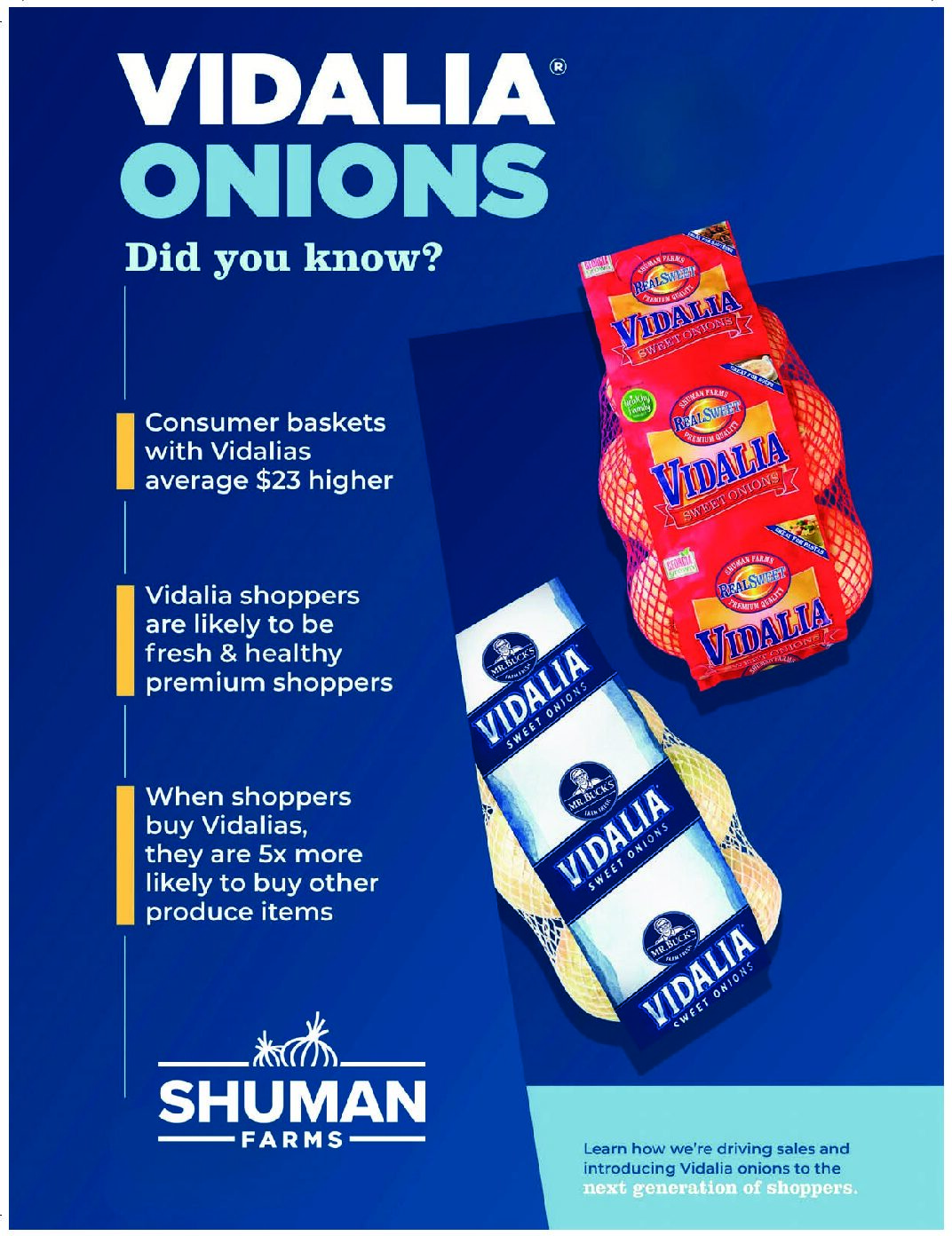
Shuman Farms brings with it a great deal of respect and gratitude for being part of the industry. “It’s not so much what we do, but who we are, and we’re ingrained in it,” President and CEO John Shuman, previously said. “You have to have a tremendous amount of respect for where you came from and how you got here, and all the folks who helped you get there, particularly the work my father did to lay the foundation for me to get into the business. He taught me the good side of this business, and I’ve enjoyed it. I’m so thankful, and I have a tremendous sense of gratitude about what a privilege it is to be in this industry, to have a seat at this table, and to know I have a responsibility and an obligation to feed people in a sustainable way and do it the right way.”
Oftentimes doing the right thing might not be the easiest, lucrative choice. But leading onion growers have proven time and again that a deliberate, mindful approach leads to sustainable growth and prosperity.
“We’ve stayed focused on doing things correctly and doing them the right way,” Shuman continued. “That’s sometimes the long play, and the most expensive play, but when you get there, you look back and realize you have built a foundation that’s stable. As a generational family business, this is something that is constantly on my mind.”