
The Future of Health and Wellness
The global health and wellness market is valued at USD 6.87 trillion in 2025 and is projected to reach USD 11 trillion by 2034, growing at a CAGR of 5.40 percent from 2025 to 2034, according to data released by Precedence Research. At the helm sits North America with a 38.04 percent share in 2024. The same study revealed that the US market is forecast to grow from USD 2.21 trillion to USD 3.70 trillion by 2034.
The health and wellness industry is primarily influenced by evolving consumer behaviors, technological advancements, healthcare policies and societal values. Together, these forces guide the trajectory of the segment and continue to drive health and wellness forward.
The worldwide health and wellness segment is flourishing. Manufacturers are taking their role seriously by addressing the growing demand for products that enhance health, well-being and everyday lifestyle. Leading companies are strategically focusing on fields such as nutrition, fitness, supplements and personal care.
Noteworthy trends shaping the health and wellness segment include a growing focus on nutrition and health foods, the emergence of digital fitness and virtual health solutions, increased attention to holistic wellness and mental health, and rising demand for sustainable and eco-friendly products.
The demand for nutrition-centric products is expanding in step with consumers who have become more aware of their dietary choices. Manufacturers are responding with functional foods and dietary supplements aimed at enhancing overall health, strengthening immunity and reflecting specific nutritional requirements. Plant-based, organic and natural foods are among the trends helping to guide the direction of the health and wellness segment.
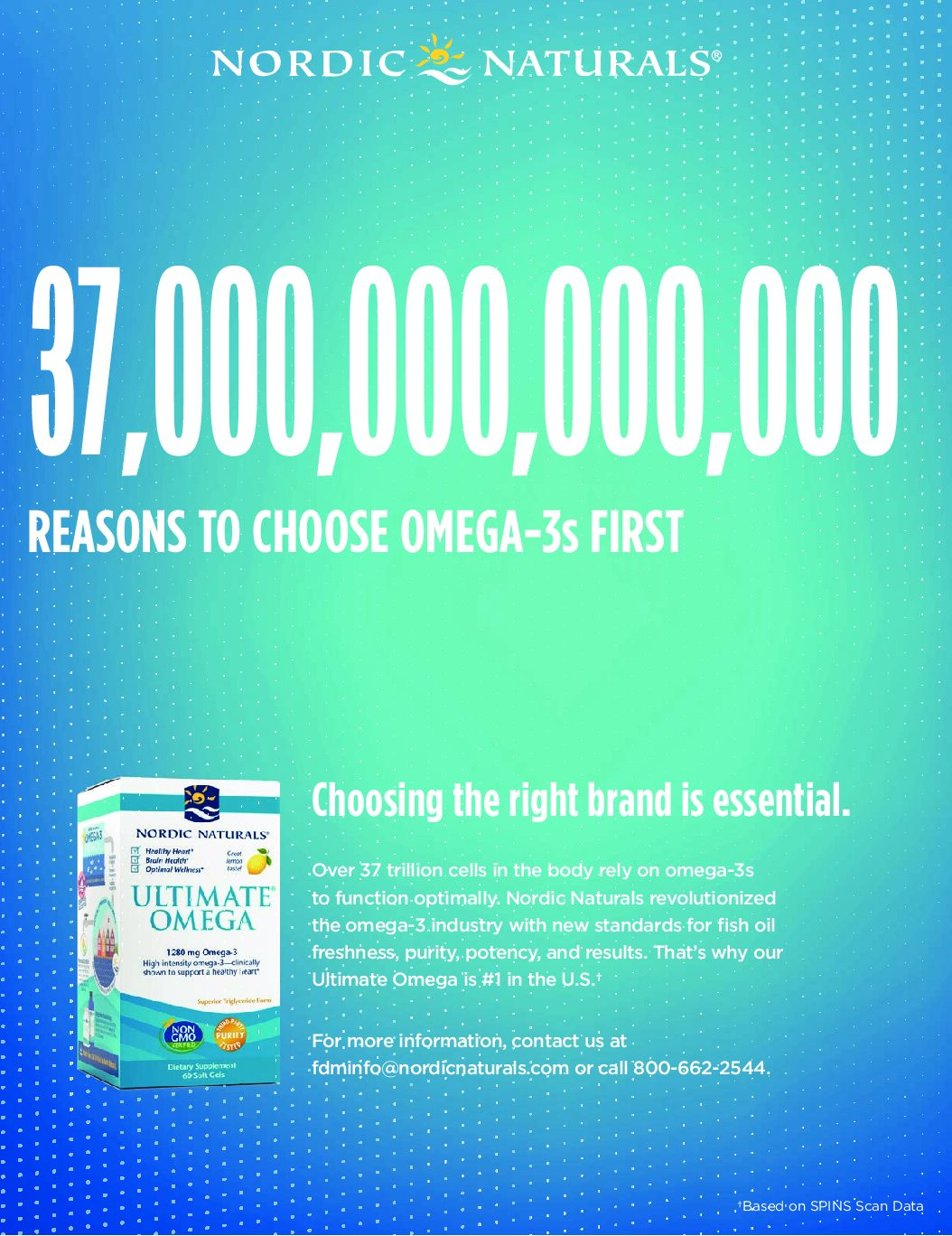
Earlier this year, Nordic Naturals conducted a nationwide media tour titled “The Omega-3 Wake-Up Call: Why Diet Alone Isn’t Enough Anymore” to persuade consumers to pause and consider whether they are getting the recommended dose. Omega-3s play a prominent role in boosting heart health, brain and cognitive function, cellular health, mood, skin health, immune function and everyday well-being.
Backed by research that indicates more than 80 percent of Americans don’t get the recommended amount of omega-3s in their diet, coupled with the fact that the body can’t produce these essential nutrients on its own, Nordic Naturals is addressing this nutrition gap. Despite consumers’ best efforts to eat whole foods, a combination of chaotic daily routines, people eating less seafood and eating habits that prioritize convenience over nutrition means people are still not getting enough omega-3’s, an essential nutrient. The nationwide broadcast and digital media tour featured nutrition specialist Kate Turner and allowed Nordic Naturals to start a conversation about why consumers need omega-3s. The tour also highlights how Nordic Naturals’ products offer a safe and efficacious dose of this nutrient. The company’s product portfolio includes omega-3s from both fish and algae, probiotics, vitamins, minerals, gummies, and supplements for children and pets. Its products are all non-GMO tested and available on both physical and virtual retail shelves.
Health and wellness leaders are unlocking opportunities to connect and engage with consumers and make products more accessible through private label brands. When it comes to quality and efficacy, Premier Brands of America is taking advantage of the positive shift in consumers’ perception of private label.
“The biggest driver is the shift in consumer perception of private label is no longer seen as a trade-down,” Larry Page, Vice President of Marketing & Product Development for Premier Brands of America, recently shared. “In many categories, penetration is now above 20 percent and growing faster than national brands. Retailers are investing more in quality, branding, and innovation, and we’re helping deliver products that match or exceed expectations while maintaining strong value and solid contribution margins.”
To stay connected and relevant to consumers and retailers, “We’re staying close through a mix of real-time data and direct retailer engagement,” Page explained. “Digital shelf analytics, search trends, and conversion data are increasingly important, especially as over 20 percent of health and personal care purchases are digitally influenced. At the same time, we’re simplifying around what matters most: efficacy, value, and convenience, which continue to drive consumer decision-making.”
Premier Brands of America priorities have pivoted in response to consumers’ shopping habits.
“The environment has definitely shifted, with consumers becoming more value-conscious as economic pressure builds,” Page elaborated. “That said, our core strategy hasn’t changed. We’ve always focused on delivering products that truly meet consumer and customer needs while providing strong value. What has evolved is our emphasis on sharper execution, prioritizing high-velocity items and staying closely aligned with how retailers are responding to these shifts.”
Premier Brands of America is committed to keeping private label robust with one-of-a-kind product solutions at approachable price points.
“We focus innovation where consumers see and feel it most: product performance, formats, and ingredients,” Page said. “Categories like hydrocolloid patches and targeted skin treatments are growing double digits, and we’re bringing those technologies into private label quickly. We also prioritize speed to market, ensuring we can launch trend-relevant products efficiently while maintaining high quality and compliance standards.”
Working with retailers to boost the performance of their private label lines is a process Page characterizes as collaborative.
“We bring forward data on emerging trends, whether it’s acne routines, skin barrier health, or convenience-driven formats and translate that into actionable concepts,” he explained. “Then we tailor assortments, pricing tiers, and packaging to each retailer’s strategy, helping them deliver differentiated products that resonate with shoppers and drive strong performance.”
As consumer priorities continue to evolve, health and wellness leaders that combine accessibility and innovation will be best positioned to keep the category moving forward.